

Your Complete Step-by-Step Guide

Identifying Early Warning Signs
Recognizing foundation issues before they escalate can save property owners thousands of dollars in repairs. In Lubbock, the expansive clay soils and seasonal moisture fluctuations create unique challenges that demand vigilance. Homeowners and commercial property managers should monitor their structures regularly for telltale indicators of structural distress.
Cracks in exterior or interior walls represent one of the most visible symptoms. Horizontal cracks wider than a quarter inch typically signal serious structural movement, while vertical hairline cracks may indicate normal settling. Doors and windows that stick or fail to close properly often point to foundation shifts. Uneven or sloping floors create obvious walking surfaces that feel off-balance, particularly noticeable in older structures.
Gaps between walls and ceilings or floors reveal separation caused by settling. Water intrusion in basements or crawl spaces suggests drainage problems that compromise structural integrity. Outside the building, observe separation between the structure and attached features like porches or chimneys. Cracked or bowing basement walls indicate lateral pressure from soil movement.
The soil conditions around Lubbock experience dramatic volume changes during wet and dry cycles. Clay soils expand significantly when saturated during spring storms, then contract during the hot, dry summer months. This constant movement places continuous stress on structural elements. Properties built on improperly compacted fill dirt face elevated risk, as these areas settle unevenly over time. Understanding these regional factors helps property owners distinguish between cosmetic issues and structural concerns requiring immediate attention.
When Homeowner Solutions Make Sense
Certain situations allow capable property owners to address problems without professional intervention. Small cosmetic cracks measuring less than an eighth of an inch wide and not actively growing often fall into this category. These superficial blemishes typically result from concrete curing or minor temperature fluctuations rather than structural failure.
For hairline cracks in concrete, epoxy or polyurethane injection products available at hardware stores provide adequate sealing. Clean the crack thoroughly, removing loose material and dust. Apply the sealant according to manufacturer specifications, ensuring complete penetration. This approach prevents moisture intrusion that could worsen the damage over time.
Gutters and downspouts play critical roles in preventing water accumulation around structures. Property owners can install or extend downspouts to direct water at least six feet away from the building perimeter. Adding splash blocks or underground drainage pipes further protects against erosion. Regular cleaning of gutters prevents overflow that saturates soil near structural elements.
Grading adjustments around the building perimeter help water drain away naturally. Soil should slope away at approximately one inch per foot for the first six feet. Adding fill dirt and compacting it properly creates this slope. However, avoid piling soil against siding, which can cause wood rot or pest problems.
Installing a simple French drain system for minor drainage issues requires digging a trench, laying perforated pipe in gravel, and covering with soil. This DIY solution handles light water accumulation effectively. For cosmetic repairs on non-structural cracks in walls, quality patching compounds and paint restore appearance without addressing underlying causes.
These approaches work for truly minor problems caught early. Property owners must honestly assess whether the situation remains within their skill level and whether the issue stems from cosmetic concerns or structural movement. When uncertainty exists about the severity or cause, consultation with professionals prevents costly mistakes.
Advanced Techniques for Structural Stability
Serious structural problems demand specialized equipment, technical expertise, and proven methodologies that extend beyond homeowner capabilities. Professional contractors employ several established techniques depending on soil conditions, building type, and damage severity.
Pier and beam systems provide the most common solution for significant settling. Steel piers driven deep into stable soil layers bypass problematic surface conditions. Hydraulic jacks carefully lift the structure back to proper elevation before securing it to the pier system. This method works particularly well in areas with expansive clay soils that shift seasonally. Concrete pressed pilings offer similar benefits, with concrete cylinders placed under pressure to reach load-bearing strata.
Helical piers feature spiral-shaped plates welded to steel shafts. Installation involves screwing them into the ground like large anchors until they reach appropriate depth and torque specifications. These systems excel in situations requiring minimal excavation or when working in tight spaces around existing structures. The installation process causes less disruption to landscaping compared to driven pier methods.
Slab jacking, also called mudjacking or concrete leveling, addresses sunken concrete slabs. Technicians drill small holes through the concrete and pump a specialized mixture underneath. This material fills voids and raises the slab to proper height. Modern polyurethane foam injection offers advantages over traditional cement slurry, including lighter weight, faster curing, and greater precision.
For structures with inadequate drainage causing ongoing problems, professional waterproofing systems protect against future damage. Exterior excavation allows application of waterproof membranes and installation of perimeter drain systems. Interior solutions include sump pump systems and vapor barriers in crawl spaces.
Soil stabilization techniques address the root cause in expansive clay conditions. Chemical treatments alter soil properties to reduce swelling and shrinking. Deep watering systems maintain consistent moisture levels year-round, preventing the dramatic volume changes that cause damage.
Professionals conduct thorough site evaluations before recommending solutions. Soil testing reveals composition and bearing capacity. Elevation surveys using laser levels document the extent of settlement. This data-driven approach ensures the selected method addresses the specific conditions present rather than applying generic solutions.
Budgeting for Structural Work
Understanding financial implications helps property owners make informed decisions about timing and scope of repairs. Costs vary dramatically based on problem severity, chosen solution, and site-specific factors.
Minor cosmetic repairs completed by homeowners typically require minimal investment. Crack sealants cost between twenty and fifty dollars. Extending downspouts and improving grading might involve one to three hundred dollars in materials. These preventive measures deliver excellent return on investment by protecting against more serious problems.
Professional inspections and consultations range from free to several hundred dollars, depending on scope. Many contractors offer complimentary initial assessments, particularly when property owners plan to proceed with recommended work. Detailed engineering evaluations with soil testing and structural analysis cost more but provide valuable documentation for insurance claims or real estate transactions.
Pier and beam installations represent significant investments. Costs depend on the number of piers required, depth to stable soil, and accessibility. A typical residential project might require eight to fifteen piers. Commercial structures or those with extensive damage need more support points, increasing total expense. The investment protects property value and prevents progressive damage that becomes increasingly expensive to address.
Slab jacking generally costs less than pier systems for appropriate applications. The process works quickly with minimal disruption. However, it only addresses settled concrete rather than underlying structural support issues. Property owners should understand whether this approach provides a long-term solution or temporary fix for their specific situation.
Comprehensive drainage solutions involving excavation, waterproofing, and drain installation require substantial investment but solve persistent moisture problems. These systems prevent recurring damage and potential mold issues that threaten health and property value.
Ignoring structural problems never saves money. Minor issues escalate into major failures requiring more extensive and expensive interventions. Damage progresses to plumbing systems, causing leaks and water damage. Structural movement affects electrical systems and HVAC equipment. Property values decline significantly when visible distress becomes apparent to potential buyers.
Financing options help property owners address necessary work without depleting emergency funds. Many contractors offer payment plans. Home equity loans or lines of credit provide funding at reasonable interest rates. The key consideration involves weighing immediate costs against long-term consequences of delayed action.
Making Confident Decisions
Determining whether to attempt repairs independently or engage professionals requires honest assessment of several factors. The decision significantly impacts both immediate outcomes and long-term structural integrity.
Severity represents the primary consideration. Hairline cracks not actively growing, minor drainage issues, and cosmetic concerns may suit DIY approaches. Wide cracks, doors and windows that stick, visible floor slopes, or gaps between structural elements signal serious problems requiring professional evaluation. Active progression where cracks grow or new symptoms appear indicates ongoing structural movement that demands expert intervention.
Cause identification separates temporary fixes from lasting solutions. Surface symptoms often mask underlying problems. Patching a crack without addressing the structural movement causing it provides only temporary cosmetic improvement. Professionals use specialized equipment and experience to diagnose root causes accurately. Soil testing, elevation surveys, and structural analysis reveal conditions invisible to untrained observers.
Skill assessment matters significantly. Property owners comfortable with construction projects, understanding grading and drainage principles, and possessing appropriate tools may successfully handle minor preventive work. Complex projects involving structural calculations, specialized equipment, or potential safety hazards exceed typical homeowner capabilities. Mistakes in structural work create liability issues and may void insurance coverage or violate building codes.
Time investment factors into the equation. Professionals complete work efficiently using established processes and crews. Homeowners juggling repairs around work schedules may take weeks to complete projects that professionals finish in days. Prolonged exposure to structural instability or weather during extended DIY projects can worsen damage.
Warranty and insurance considerations provide additional perspective. Professional contractors typically guarantee their work, providing recourse if problems persist. They carry liability insurance protecting property owners from accidents or damage during repairs. DIY work offers no such protections. Additionally, documentation from licensed professionals helps with insurance claims and satisfies disclosure requirements for property sales.
Regulatory compliance requires attention. Many jurisdictions require permits for structural work. Professionals understand local building codes and handle permitting processes. Unpermitted work creates problems during property sales and may require expensive corrections to bring into compliance.
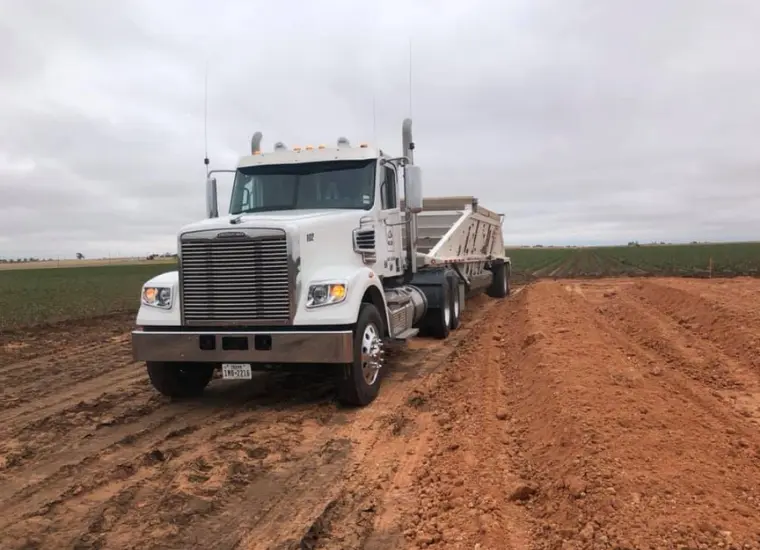
For property owners in Lubbock and the surrounding areas dealing with structural concerns, working with experienced professionals who understand local soil conditions and building practices provides distinct advantages. Companies specializing in excavation, site preparation, and structural work bring expertise in managing the unique challenges presented by expansive clay soils and regional environmental factors. Their familiarity with proper grading, drainage solutions, and stabilization techniques ensures repairs address both symptoms and underlying causes. Established local businesses maintain reputations built on quality workmanship and customer satisfaction, providing accountability that matters when making significant property investments.
The wisest approach often combines homeowner vigilance with professional expertise. Property owners maintain their structures through regular inspections, prompt attention to minor drainage issues, and preventive maintenance. When symptoms suggest structural concerns, professional evaluation determines appropriate responses. This partnership protects property values while ensuring safety and long-term structural integrity.
